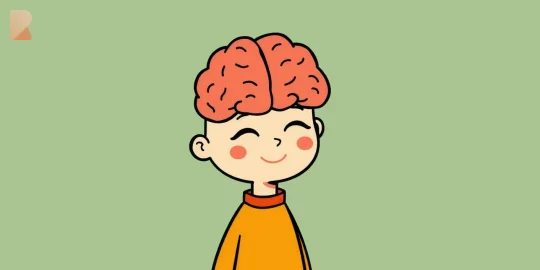

When he was just three years old, Jacob Barnett, an American child prodigy, began solving 5,000-piece puzzles, and by the age of 10, he was attending college-level quantum physics courses. Barnett's extraordinary intellectual journey isn't just a tale of singular talent; it offers a window into understanding how prodigious intellects develop in the early years and what sets them apart from their peers.
- Have you read these?
- The Role of Working Memory in IQ Tests: Understanding the Connection
- What is the IQ scale?
- Are free IQ tests accurate?
While many children are learning to tie their shoes, prodigies like Barnett are already engaging with complex mathematical concepts. The divergence in cognitive development can often be traced back to specific patterns and influences that start to surface remarkably early. A 2013 study conducted by researchers at the University of California, Berkeley, found that prodigies tend to demonstrate exceptional working memory, a cognitive skill that allows them to retain and manipulate information over short periods. This ability is frequently observed in tasks requiring complex problem-solving, and it appears to be one of the foundational elements of prodigious intelligence.
The Cognitive Landscape of Prodigies
Prodigies often display an unusual intensity in their interests and a capacity for hyper-focus that sets them apart from their peers. Take, for example, Wolfgang Amadeus Mozart, who composed his first piece of music at the tender age of five. His ability to concentrate on music for extended periods was legendary even in his time. Contemporary cognitive science might describe this as a remarkable level of "selective attention," a skill that allows the individual to focus on specific stimuli while ignoring distractions. This characteristic is not unique to musical prodigies but is also seen in those excelling in mathematics, science, and other domains.
The role of selective attention was highlighted in a study led by Dr. Joanne Ruthsatz at Ohio State University, which examined the cognitive profiles of 18 child prodigies. The study, published in 2012, found that these children had unusual scores in working memory and selective attention, but not necessarily in IQ. This suggests that while IQ is an important measure, the cognitive architecture of prodigies may involve a distinct combination of abilities that go beyond conventional intelligence tests.
Environmental Catalysts
While inherent cognitive attributes are crucial, the environment plays an equally significant role in nurturing a prodigy's potential. The family setting, in particular, can provide the fertile ground necessary for exceptional talents to flourish. Research from the University of Chicago, led by Dr. Mihaly Csikszentmihalyi, emphasizes the importance of a stimulating environment that encourages exploration and mastery. Families of prodigies often share common traits: an emphasis on learning, exposure to diverse intellectual stimuli, and the provision of resources that nurture curiosity.
Consider the case of John Stuart Mill, a British philosopher and prodigy who was reading Greek by the age of three. His father, James Mill, was a historian and economist who meticulously planned John's education, immersing him in a world of literature and philosophical discourse from a very young age. Such environments do not merely provide information; they cultivate a mindset inclined toward deep learning and exploration.
Neuroscience Insights
The neural mechanisms that underpin prodigious abilities are another area of intense scientific interest. Neuroimaging studies have begun to reveal how the brains of prodigies might differ from those of average individuals. Dr. Ellen Winner, a psychologist at Boston College, has explored the neural efficiency hypothesis, suggesting that the brains of prodigies may process information more efficiently. Functional MRI scans often show that prodigies utilize their neural networks differently, engaging specific areas of the brain in a manner that reflects their specialized skills.
Moreover, the concept of "neuroplasticity"—the brain's ability to reorganize itself by forming new neural connections—plays a crucial role in understanding prodigious talent. Prodigies often exhibit heightened neuroplasticity, allowing them to acquire skills at an accelerated pace. This adaptability of the brain might explain how Mozart could compose symphonies before most children can read music.
Challenges and Considerations
Despite their extraordinary capabilities, prodigies face unique challenges. The pressure to perform and the expectations of continued brilliance can lead to emotional and psychological stress. Dr. Jonathan Wai from the Duke University Talent Identification Program highlights that prodigies are not immune to the social and emotional issues that affect other children. The drive for perfection and the fear of failure can be particularly pronounced, necessitating careful guidance and support from parents and educators.
Furthermore, the trajectory of a prodigy's talent is not always linear. Some child prodigies evolve into successful adults in their fields, while others may not sustain their early promise. The reasons for this variability are complex and multifaceted, involving personal choices, changing interests, and external circumstances.
Implications for Educators and Parents
Understanding the development of prodigious talent has profound implications for educators and parents. It challenges traditional educational paradigms and calls for more personalized learning approaches that cater to individual strengths and interests. Schools and educational systems must become more flexible, offering advanced learning opportunities at a pace that matches the prodigy's capabilities.
For parents, nurturing a prodigy involves balancing encouragement with the child's need for a regular childhood. While fostering their talents, it is equally important to ensure they develop social skills and emotional resilience. Engaging in activities outside their area of expertise can provide much-needed balance and prevent burnout.
As we continue to unravel the mysteries of prodigious talent, one thing remains clear: the development of exceptional intelligence is a complex interplay of cognitive abilities and environmental influences. Each prodigy is a unique tapestry of potential, woven from the threads of nature and nurture. The challenge lies in appreciating their gifts while supporting their growth as well-rounded individuals.
What can we learn from the lives of prodigies? Perhaps it's a reminder of the immense possibilities that lie within the human mind when given the right conditions to flourish. As we ponder this, we might ask ourselves: How might we better cultivate the potential in every child, not just the prodigies, to foster a world rich with innovation and creativity?