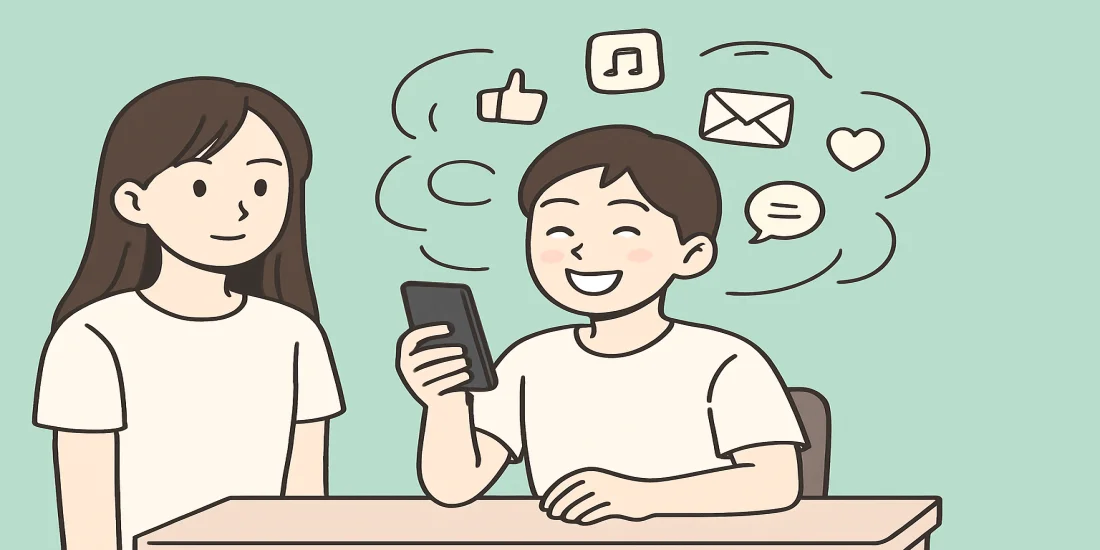

In 2015, researchers at the University of British Columbia discovered something intriguing: students who received text messages during a lecture scored 27% lower on a subsequent test than their peers who kept their phones silent. This striking finding highlights a growing concern in our digital age—how incessant digital distractions might be affecting our cognitive abilities and, potentially, our IQ.
- Have you read these?
- Why Escape Room Enthusiasts Score Higher on Fluid Reasoning Subtests of IQ Tests
- Is it possible for a student to have different IQ scores depending on the test?
- What type of measure is an IQ test?
To understand the scope of this issue, we must first consider the nature of digital distractions. Smartphones, social media platforms, and the internet provide a constant stream of information and notifications. Each ping and vibration demands our attention, pulling us away from tasks that require deep, focused thinking.
The Science Behind Distraction
Dr. Gloria Mark, a researcher at the University of California, Irvine, conducted a study involving office workers who were regularly interrupted by digital notifications. Her findings revealed that it took an average of 23 minutes and 15 seconds for these workers to return to their original task after an interruption. This phenomenon, known as "attention residue," suggests that even brief interruptions can have long-lasting effects on our cognitive performance.
But how does this tie into IQ? The answer lies in the concept of working memory—the brain's ability to hold and manipulate information over short periods. Working memory is crucial for reasoning and decision-making and is a core component of IQ tests. A study published in the journal Science in 2009 by Dr. Anthony Wagner of Stanford University demonstrated that individuals who frequently multitask in a digital environment perform worse on tests of working memory and cognitive control.
The Role of Technology in Cognitive Overload
Technology's impact on cognitive performance extends beyond momentary distractions. Nicholas Carr, in his book The Shallows: What the Internet Is Doing to Our Brains, argues that the internet promotes cognitive habits that inhibit deep reading and thinking. Carr suggests that the brain's ability to focus and contemplate may be deteriorating as a result of our constant online activity.
While this might sound dire, it is essential to consider the adaptability of the human brain. Neuroplasticity, the brain's ability to reorganize itself by forming new neural connections, offers some hope. Engaging in activities that promote focused attention, such as reading books or practicing mindfulness, can help counteract some of the negative effects of digital distractions.
Digital Detox: A Necessary Intervention?
In response to these concerns, some individuals and organizations have embraced the concept of a digital detox—a deliberate break from digital devices. A study conducted by the University of Pennsylvania in 2018 found that participants who limited social media usage to 30 minutes per day reported significant reductions in anxiety, depression, and loneliness after three weeks. These psychological improvements often correlate with enhanced cognitive performance.
However, not everyone agrees that a digital detox is the solution. Critics argue that rather than abstaining from technology, we should focus on developing better digital literacy and self-control. Dr. David Meyer, a cognitive scientist at the University of Michigan, emphasizes the importance of training our brains to resist the temptation of digital distractions.
Balancing Technology and Cognitive Health
As we navigate our technology-infused world, striking a balance between digital engagement and cognitive health remains a challenge. It is not about vilifying technology but understanding how to use it in ways that do not compromise our mental faculties.
One promising approach is the deliberate use of technology to enhance cognitive performance. Cognitive training apps, like Lumosity or BrainHQ, aim to improve working memory and attention through targeted exercises. Though the efficacy of these apps is still debated, some studies suggest they can lead to modest improvements in cognitive functions.
Moreover, the Pomodoro Technique—working in focused bursts of 25 minutes followed by a 5-minute break—has gained popularity as a method to maintain concentration and minimize distractions. This technique can be particularly effective when paired with digital tools that block notifications during deep work sessions.
Ultimately, the relationship between digital distractions and cognitive performance is complex and multifaceted. While we may not yet fully understand all the nuances, one thing is clear: as our reliance on digital technology grows, so does the need for strategies to mitigate its potential downsides.
Perhaps the most intriguing question is not whether digital distractions lower IQ, but how we can harness technology to enhance our intellectual capabilities. As we continue to explore this dynamic interplay, we might discover that the key to cognitive resilience lies not in resistance, but in adaptation and innovation.